Spec Driven Django Development with Claude Code
From Saturday, 27 Jun 09:00 to Sunday, 28 Jun 23:00
Timezone: GMT +2 (long duration means this is appropriate for multiple timezones - try attend for 6-8 hours per day)
Location: remote
Level: Intermediate
The instructor will be on duty from 09:00 to 23:00 (GMT+2) each day. You can arrive and leave whenever you need to, but it is recommended that you are present for at least 6 to 8 hours per day.
Payment Information
When you choose to buy a ticket you will be redirected to Quicket. You will see the ticket prices displayed in South African Rands .
If you would prefer to pay for your ticket in a different way, please get in touch
$1 is about R16.18
Credit cards will work in the usual way.Details
Every week brings a new AI coding tool, a new workflow, a new thread claiming everything just changed. For a Django developer trying to actually ship production code with Claude Code, the noise is the problem. There's no obvious progression - it's not clear what's worth learning first and which tools are worth reaching for under which circumstances. And it's not immediately clear how to get an LLM to produce code you can trust.
Most of what you see online is misleading. Parallel sub-agent swarms and one-shot app generation make great demos and fall apart the moment production code is on the line. Using LLMs well is a skill, and like any skill, it has to be built deliberately.
What you'll walk away able to do
- Add Claude Code to an existing Django project without creating a mess
- Write and maintain effective
CLAUDE.mdfiles — and avoid the pitfalls of letting Claude write its own - Control context deliberately, and organise a growing collection of markdown files so they stay useful
- Apply common prompting patterns to Django-specific work, and package them as reusable commands
- Design your own spec-driven development workflow around your tools, your style, and your risk profile
- Run parallel development streams using Git worktrees, once the single-threaded workflow starts to bottleneck you
A deliberate progression
Each stage is taught in the order you'd need it.
We start with the foundations, we start by getting the small things right: prompting, context control, simple validation. Nothing downstream works reliably without this.
From there, we start working on getting big things right with spec-driven development. You will build your own workflow rather than adopt a template, because spec-driven development isn't one-size-fits-all.
Finally, you work on getting big things right quickly by using Git worktrees for parallel development.
Self-paced, with real human support
You move through the material on your schedule. No cohort, no fixed start, no pressure to keep up.
But you're not on your own. There will be a human educator there with you the whole time to check in and answers your questions. You'll also have many opportunities to connect and nerd out with your fellow participants.
BONUS: One month FREE access to our Agentic Django Development Mastermind Group
The real learning happens after the workshop - as you adapt these techniques to your own work and respond to new changes in the landscape, you'll learn a lot. A community of practice will help you on your journey.
Here's what you'll get:
- Weekly video office hours and group discussions
- Daily text-based check-ins where your questions and comments get addressed
- Ongoing access to the course materials and communication channels
- Early access to course updates
- A peer group to push your skills further
A note on Claude Code subscriptions
A Claude Code subscription is not included. You'll need your own to get value from the course — a Claude Max plan is strongly recommended.
Prerequisite Skills
You'll get the most out of this if you're comfortable with:
- Django fundamentals — models, views, URLs, templates, apps
- Git — commits, branching, merging
Familiarity with Pytest, HTMX, Alpine.js, Tailwind, or Playwright will help in places but isn't required. The course teaches Claude Code skills; your existing Django skills are the substrate those techniques attach to.
About the instructor
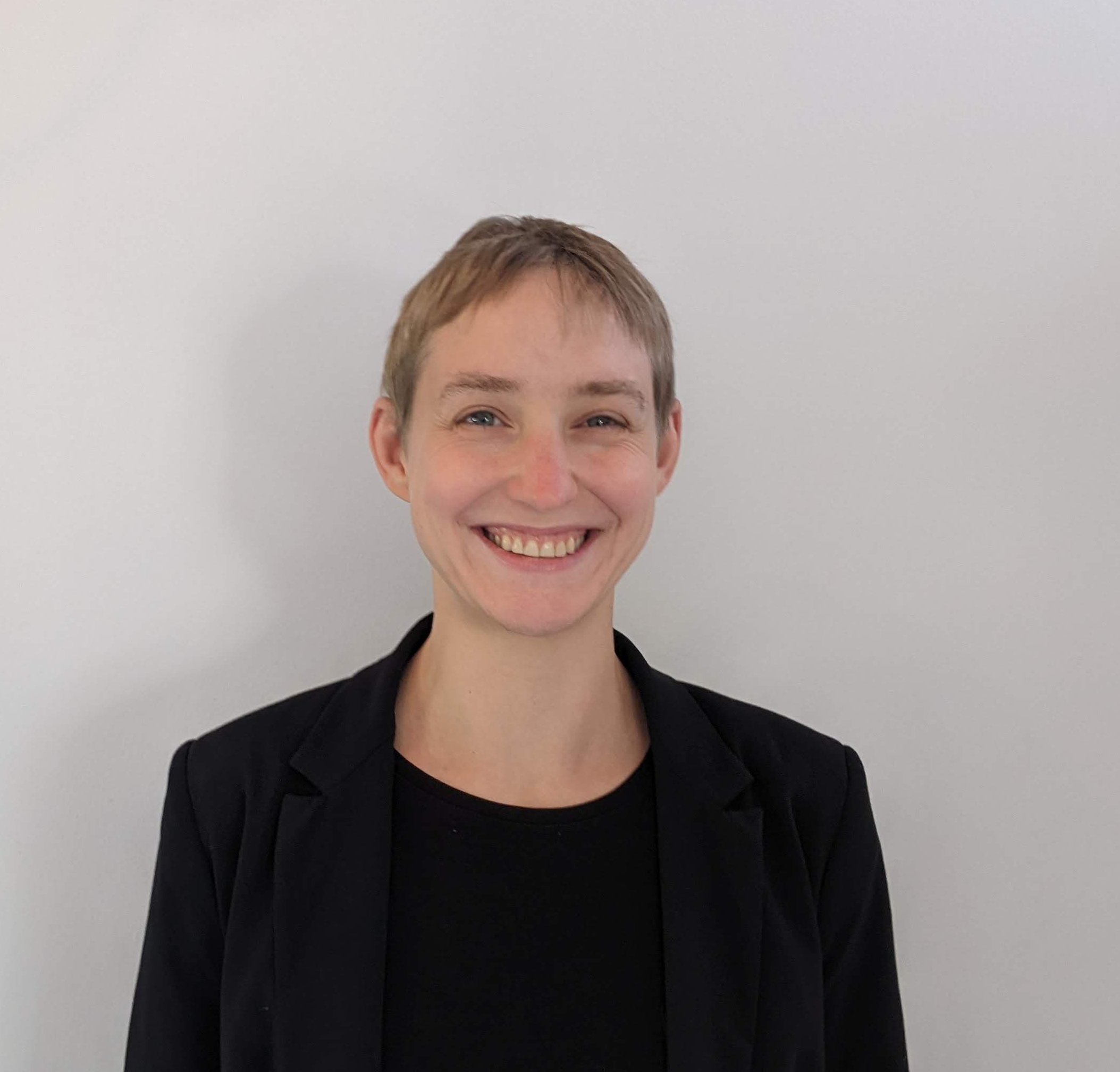
Sheena O'Connell
Sheena's early career saw her working as a software engineer and technical leader across multiple startups. But it was her passion for education that led her to devote the last 5+ years to reimagining how we teach people to code professionally.
Over the last half decade she had the opportunity to work in the NGO space and build alternative education systems from the ground up. Along the way she have learned a lot about how to teach well, how to build systems that teach well, how to set teachers up for success, and how traditional education systems fall short.
"I've always had a passion for education and had the opportunity to work directly in tech education for the last half decade. The way I think of my work is: I take the science of learning and turn it into the engineering of learning."
Sheena's technical skills are fairly wide ranging, but she has a strong focus on all things Python and web development.
She is also a recognised international speaker, she primarily focuses on spreading tech education best practices around the world.
Want to know more about Sheena? Here are some links: